

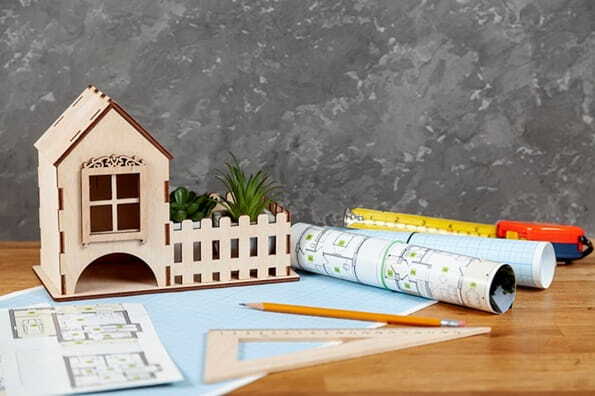
Featured Image Caption: Front View Architectural Project on Desk
Jump to read...
Have you ever watched one of those home renovation shows and thought, “That looks straightforward enough”? Perhaps you’ve scrolled through Pinterest, saving images of stunning kitchens and dreamy bathrooms, imagining your own home transformed? But here’s the million-dollar question: where do you actually start when you’re ready to turn those dreams into reality?
Planning a home renovation can feel overwhelming. There’s so much to consider budgets, permits, finding reliable tradespeople, timelines, and countless decisions about materials and design. Without a solid plan, what starts as an exciting project can quickly become a stressful nightmare. The good news? With the right approach, you can avoid the common pitfalls that trip up so many Australian homeowners.
In this guide, we’ll walk you through everything you need to know about planning a successful home renovation. From setting realistic goals and creating a workable budget to navigating council approvals and managing your project day-to-day, you’ll find practical advice to keep your renovation on track. Whether you’re updating a single room or tackling a whole-house transformation, this step-by-step guide will help you approach your project with confidence.
Setting Your Renovation Goals and Priorities
Before you pick up a sledgehammer or browse tile catalogues, you need to get crystal clear on what you’re actually trying to achieve. This might sound obvious, but it’s a step many people rush through and regret later.
What Do You Actually Want to Achieve?
Start by asking yourself some honest questions. Are you renovating to make your home more comfortable for your family? Perhaps you’re looking to increase your property’s value before selling. Maybe you need extra space for a growing household, or you’re simply tired of that outdated bathroom.
Write down your goals in order of importance. This list becomes your North Star throughout the project. When you’re faced with tough decisions and trust me, there will be plenty, you can refer back to your priorities to guide your choices.
Needs vs Wants: Making Smart Decisions Early
Here’s where things get real. There’s a big difference between what you need and what you’d love to have. A new roof that’s leaking? That’s a need. Heated towel rails in the bathroom? Lovely, but definitely a want.
Create two separate lists. Put absolute necessities on one side and nice-to-haves on the other. This helps when budget pressures kick in and they usually do. You’ll know exactly what can be trimmed without compromising the core purpose of your renovation.
How Much Does a Home Renovation Cost in Australia?
Let’s talk money. Understanding the true cost of your renovation is absolutely vital, yet it’s where many homeowners come unstuck.
Understanding Average Renovation Costs by Room
Renovation costs vary dramatically depending on what you’re tackling. A bathroom renovation in Australia typically ranges from $15,000 to $35,000, while kitchen renovations can run anywhere from $20,000 to $50,000 or more. Full house renovations? You’re looking at $150,000 upwards, depending on the scope.
These figures should be starting points for your research, not gospel. Your specific costs will depend on your location, the quality of materials you choose, and the complexity of the work required.
Hidden Costs You Need to Budget For
Here’s something renovation shows rarely mention: hidden costs can blow your budget out of the water. Think about temporary accommodation if you can’t live in your home during works. Factor in storage for furniture, eating out more often, and the cost of fixing unexpected problems like asbestos or structural issues.
A solid rule of thumb? Add 15-20% contingency to your budget. It’s not pessimism, it’s smart planning.
How Do I Create a Realistic Renovation Budget?
Start by getting multiple quotes from different builders and tradespeople. Compare them carefully, noting what’s included and what’s not. Be honest about what you can afford, including that contingency buffer.
Consider your financing options too. Will you pay cash, use a home equity loan, or apply for a renovation loan? Each option has different implications for your overall costs.
Do I Need Council Approval for Home Renovations?
This is where many DIY renovators come unstuck. Council approvals and building permits aren’t optional extras, they’re legal requirements for many types of work.
When Development Applications Are Required
Generally, structural changes, extensions, and alterations affecting your home’s footprint will need council approval. This includes adding rooms, changing rooflines, building decks over a certain height, and significant plumbing or electrical work.
Cosmetic changes like painting, replacing floor coverings, or updating fixtures typically don’t require approval. But don’t assume, always check with your local council first.
What Happens If You Renovate Without Approval?
Skipping permits might seem tempting, but the consequences can be severe. You could face hefty fines, be forced to demolish unapproved work, or encounter major problems when selling your property. Insurance claims can also be rejected if work wasn’t properly approved.
It’s simply not worth the risk. Do it properly from the start.
Finding and Hiring the Right Professionals
Your renovation is only as good as the people you hire. Finding reliable, skilled tradespeople is arguably the most important step in your entire project.
How Do I Find a Reliable Builder or Contractor?
Word of mouth remains the best way to find quality tradespeople. Ask friends, family, and neighbours who’ve completed similar projects. Check online reviews but take them with a grain of salt, look for patterns rather than individual comments.
Always verify licenses and insurance. In Australia, builders must be registered with their state’s building authority. Ask to see proof of public liability insurance and workers’ compensation coverage.
Questions to Ask Before Signing Any Contract
Before committing, ask potential builders:
- Can you provide references from recent similar projects?
- What’s your estimated timeline?
- How do you handle variations and unexpected costs?
- Who will be on-site daily managing the work?
- What warranty do you offer?
Get everything in writing. A proper contract protects both you and your builder.
Creating Your Renovation Timeline
Time is money in renovations. A realistic timeline keeps your project moving and helps manage expectations.
How Long Does a Typical Home Renovation Take?
Bathroom renovations typically take 3-6 weeks. Kitchen renovations can stretch to 6-12 weeks. Major whole-house renovations? You’re looking at several months to over a year for complex projects.
Factor in lead times for materials, which can sometimes run to months for specialty items. Plus, council approval processes can add weeks or even months before work begins.
Planning Around Weather and Material Delays
Australian weather can significantly impact renovation timelines. Outdoor work during the wet season in northern regions, or mid-winter in southern states, often faces delays. Material shortages, still common since the pandemic, can also throw schedules off course.
Build buffer time into your timeline. It’s far better to finish early than to constantly push back your completion date.
Managing Your Renovation Project Day-to-Day
Once work begins, your role shifts from planner to project manager. Good communication and flexibility become your best tools.
Communication Strategies That Prevent Disasters
Establish a regular check-in schedule with your builder, daily updates for major works, or weekly for smaller projects. Use a shared communication method, whether that’s WhatsApp, email, or a project management app.
Document everything. Take photos of progress, keep records of conversations, and note any agreed changes. This protects everyone and prevents misunderstandings.
How to Handle Unexpected Problems During Renovation
Problems will arise. Old homes especially love to reveal surprises once walls come down. The key is staying calm and making informed decisions rather than reactive ones.
When issues pop up, ask your builder to explain options clearly, including cost and time implications for each. Don’t rush into decisions you might regret.
Is It Worth Renovating or Should I Just Move?
This question deserves serious consideration before you commit to a major renovation.
Calculating Return on Investment
Compare the cost of renovating versus buying a home that already has the features you want. Factor in stamp duty, moving costs, and the emotional toll of relocating. Sometimes renovating makes financial sense; sometimes it doesn’t.
Well-executed kitchen and bathroom renovations typically add value, as do additional bedrooms and outdoor living spaces. However, over-capitalising, spending more than you’ll recoup is a real risk, especially in certain markets.
Final Inspections and Completing Your Renovation
You’re almost there! But don’t sign off and hand over final payment until you’ve done your due diligence.
What to Check Before Final Payment
Walk through every aspect of the completed work with your builder. Check that finishes are clean, doors and windows operate smoothly, and all fixtures work properly. Create a defects list for anything that needs fixing.
Obtain all compliance certificates, warranties, and instruction manuals for installed appliances and systems. These documents are vital for future reference and when selling your property.
Your Renovation Success Starts with a Solid Plan
So there you have it, a comprehensive roadmap for planning your home renovation. From those first exciting daydreams to the final inspection walkthrough, success comes down to preparation, patience, and choosing the right people to bring your vision to life.
The key takeaways? Know your goals before you start. Budget realistically, including that crucial contingency fund. Don’t cut corners on permits and approvals, they exist for good reason. Take your time finding trustworthy professionals and maintain clear communication throughout the project.
If you’re renovating in Melbourne’s bayside area, working with local specialists who understand council regulations, property styles, and coastal conditions can make the process far smoother. This is especially true when planning home renovations in St Kilda, where heritage considerations and smart space planning often play a key role.
Renovating your home is genuinely one of life’s more challenging undertakings. But when you’re sitting in your newly transformed space, enjoying the results of all that planning and hard work, you’ll know it was worth every moment. Start with a solid plan, stay flexible when surprises arise, and partner with experienced professionals who can guide you at every stage.
Ready to turn your renovation plans into reality? Explore expert guidance and tailored solutions for home renovations in St Kilda and take the next confident step toward creating a home you’ll love for years to come.

By Joseph Webb
who is an excellent blogger and philosopher, His keen observation provides useful information that helps readers to get more ideas.
Member since April, 2018
View all the articles of Joseph Webb.





Leave a Reply