

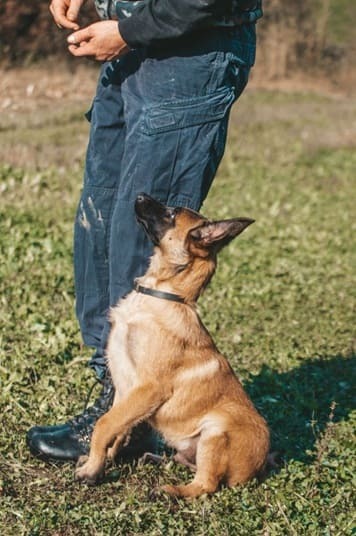
Featured Image Caption: A loyal German Shepherd puppy learning commands outdoors, showcasing obedience and training.
Jump to read...
Training is one of the most important parts of welcoming a new dog into your home. It builds trust, strengthens communication, and helps your dog understand how to behave in a new environment. Whether you are raising a puppy or adopting an adult dog, early training creates a foundation for long term success. With patience, consistency, and the right techniques, new dog owners can guide their dogs toward becoming confident, well mannered companions. Understanding the essentials of training makes the process smoother and more rewarding for both you and your dog.
Building a Strong Foundation with Routine
Dogs thrive on structure, and establishing a routine is one of the first steps in effective training. Consistent feeding times, regular walks, and predictable daily patterns help your dog feel secure. When routines are clear, dogs learn faster because they understand what to expect. This stability also reduces anxiety and supports better behavior. A strong routine sets the stage for successful training sessions and helps your dog settle comfortably into their new home.
Using Positive Reinforcement to Encourage Learning
Positive reinforcement is one of the most effective training methods for new dog owners. Rewarding desired behaviors with treats, praise, or affection helps dogs understand what you want them to repeat. This approach builds confidence and strengthens the bond between you and your dog. Reinforcement should be immediate so your dog can connect the reward to the behavior. Over time, positive reinforcement creates a learning environment that feels supportive and enjoyable, making training more successful.
Practicing Consistency in Commands and Expectations
Consistency is essential for helping dogs understand what is expected of them. Using the same words, tone, and gestures for each command prevents confusion and speeds up learning. When multiple people are involved in training, everyone should follow the same guidelines. Dogs learn through repetition, and consistent communication helps them build reliable habits. Clear expectations make training smoother and help your dog feel more confident in their responses.
Socializing Early to Build Confidence
Socialization is a key part of training, especially for puppies or newly adopted dogs. Introducing your dog to different environments, people, and other animals helps them develop confidence and adaptability. Early socialization reduces the likelihood of fear based behaviors and supports long term emotional stability. Controlled, positive experiences teach your dog how to navigate the world calmly and respectfully. This foundation makes future training easier and helps your dog feel comfortable in a variety of situations.
Addressing Behavioral Challenges with Professional Support
Some dogs experience behavioral challenges that require specialized guidance. Issues such as reactivity, fear, or aggression can make training more difficult and stressful. In these cases, working with professionals who offer reputable dog aggression training can provide valuable support. Skilled trainers use structured, evidence based methods to help dogs overcome challenges safely and effectively. Professional guidance ensures that training remains positive and productive, giving both you and your dog the tools needed for long term success.
Keeping Training Sessions Short and Engaging
Short, focused training sessions help dogs stay attentive and motivated. Long sessions can lead to frustration or distraction, especially for younger dogs. Brief sessions allow your dog to absorb information more effectively and maintain enthusiasm. Ending on a positive note reinforces confidence and encourages your dog to look forward to future training. This approach supports steady progress and helps prevent burnout for both you and your dog.
Reinforcing Skills Through Real Life Practice
Training is most effective when practiced in everyday situations. Using commands during walks, mealtime, or play helps your dog understand how behaviors fit into daily life. Real life practice strengthens retention and teaches your dog to respond reliably outside of structured training sessions. This integration helps build strong habits and reinforces communication. When training becomes part of your daily routine, your dog learns faster and behaves more consistently.
Creating a Calm Environment for Learning
A calm environment helps your dog stay focused during training. Reducing distractions allows your dog to concentrate on cues and respond more accurately. As your dog becomes more confident, you can gradually introduce new environments to strengthen reliability. A peaceful learning space supports clearer communication and helps your dog feel secure. This foundation allows training to progress smoothly and encourages your dog to remain attentive and engaged.
Conclusion
Training a new dog involves building routines, using positive reinforcement, practicing consistency, socializing early, seeking professional support when needed, keeping sessions focused, reinforcing skills in daily life, and creating a calm learning environment. With patience and thoughtful guidance, new dog owners can help their dogs develop strong habits, confidence, and a lasting bond built on trust and communication.











Leave a Reply