

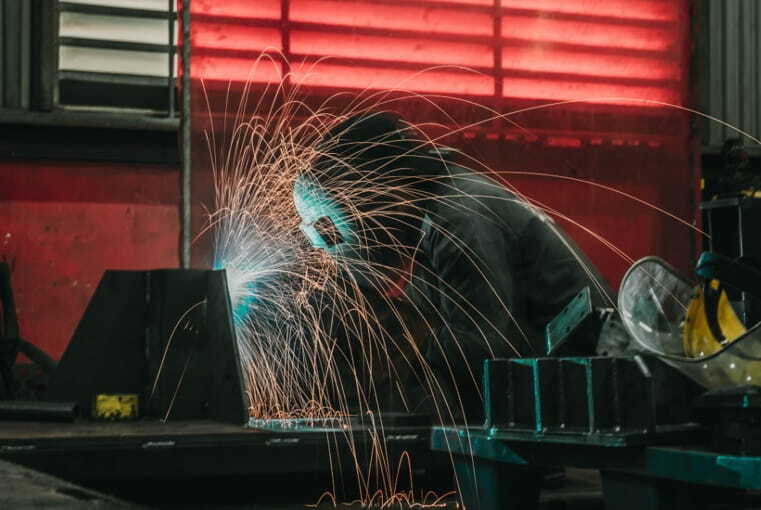
Featured Image Caption: A welder skillfully creates sparks while working in an industrial workshop, wearing protective gear.
Jump to read...
Industrial facilities generate a surprising amount of airborne contamination as part of everyday operations, whether from welding, cutting, chemical processing, or general manufacturing. Much of this contamination is invisible or easy to underestimate, which is exactly why fume extraction systems play such a critical role in facility safety. Beyond simply making a workspace more comfortable, these systems protect both the people working there and the physical infrastructure itself from long-term damage. Here’s a closer look at how fume extraction delivers that dual protection.
Shielding Workers From Long-Term Health Risks
The most immediate reason facilities invest in fume extraction is worker health, and the risks here are often more serious than people initially assume. Fumes from welding, soldering, or chemical processes can contain fine particulates and toxic compounds that, with repeated exposure, contribute to chronic respiratory conditions, reduced lung function, and other long-term health issues. Unlike an acute injury that triggers immediate concern, this kind of damage builds gradually, often without obvious symptoms until significant harm has already occurred. Effective extraction systems remove these contaminants at the source before they accumulate in the air employees breathe throughout their shift. Facilities that prioritize this kind of protection are investing in their workforce’s long-term wellbeing, not just meeting a minimum safety requirement.
Preventing Equipment and Structural Damage
Airborne contaminants don’t just threaten human health. They can also take a real toll on equipment, machinery, and the building itself over time. Fine particulates settling on sensitive equipment can interfere with electronics, clog ventilation systems, or accelerate wear on moving parts, leading to more frequent breakdowns and higher maintenance costs. Corrosive fumes from certain chemical processes can gradually damage structural components, wiring, and surfaces throughout a facility. Proper fume extraction reduces this kind of wear and tear considerably, protecting the facility’s physical assets alongside its workforce. Facilities that overlook this aspect often find themselves facing unexpected equipment failures or costly repairs that trace directly back to inadequate air quality management.
Supporting Regulatory Compliance
Fume extraction isn’t just good practice. It’s often a legal requirement tied to specific exposure limits set by occupational safety regulations. Agencies responsible for workplace safety establish thresholds for various airborne contaminants, and failing to meet those standards can result in significant penalties, not to mention genuine harm to employees. Reliable fume extraction systems help facilities stay within these legal limits while demonstrating a real commitment to safety rather than simply avoiding fines. Regular monitoring, testing, and maintenance of extraction equipment further ensures ongoing compliance, since a system that performed well during installation can gradually lose effectiveness without consistent upkeep and inspection.
Matching Extraction Systems to Specific Processes
Different industrial processes generate different types and volumes of airborne contamination, which means a generic approach to fume extraction rarely delivers the protection a facility actually needs. Facilities need to carefully assess their specific operations, materials, and layout to determine the right extraction setup. For larger operations generating significant volumes of dust, debris, or fine particulates across multiple workstations, an industrial dust collector can capture and filter contaminated air at scale, protecting both the broader workspace and the equipment connected to it. Smaller, more localized tasks might call for point-of-source solutions instead. Matching the system to the actual hazard, rather than relying on standard ventilation alone, makes a measurable difference in both effectiveness and long-term cost savings.
Building a Culture of Consistent Air Quality Management
Beyond the equipment itself, the facilities that see the best results treat fume extraction as an ongoing priority rather than a one-time installation. This means scheduled maintenance checks, employee training on why these systems matter, and clear processes for reporting when equipment seems to be underperforming. Workers who understand the long-term risks of poor air quality are far more likely to take extraction protocols seriously and flag issues before they escalate. Leadership support matters significantly here too, since facilities that genuinely prioritize air quality tend to invest in better equipment and more consistent maintenance than those treating it as an afterthought buried in a compliance checklist.
Final Thoughts
Fume extraction systems do far more than keep the air feeling clean. They protect workers from cumulative health risks, shield equipment and infrastructure from premature wear, and help facilities stay compliant with safety regulations. Facilities that invest in the right extraction setup and maintain a genuine culture around air quality are protecting their entire operation, not just checking a safety box. Taking fume extraction seriously is ultimately a commitment to both the people doing the work and the long-term health of the facility itself.









Leave a Reply