

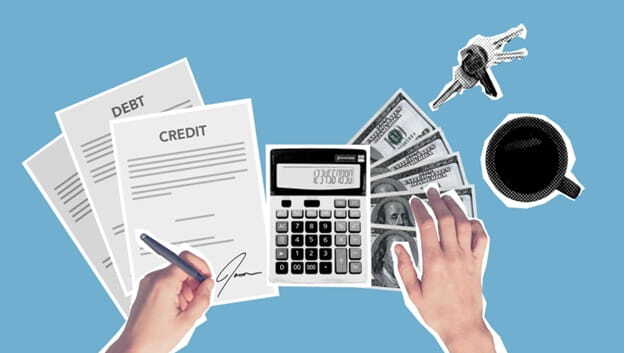
Featured Image Caption: Overhead view of financial planning with debt and credit documents, calculator, and cash on blue background.
Jump to read...
Life has a way of throwing curveballs when you least expect them. Whether it’s a sudden medical bill, a sharp spike in utility costs, or a temporary gap in income, struggling to cover essential expenses is something millions of Americans deal with every single year. The good news? There’s no shortage of resources and strategies out there to help people get back on their feet. Knowing where to look and what questions to ask, can make all the difference.
Identify Which Expenses Need Immediate Attention
Before reaching out for help, it’s worth taking a honest look at your financial situation and figuring out which bills need attention first. Essential expenses typically include rent or mortgage payments, utilities like electricity and water, groceries, and transportation. A simple list separating critical bills from discretionary spending can go a long way toward focusing your energy where it matters most. Having a clear picture of what you owe also makes it much easier to communicate with assistance programs, lenders, and service providers when the time comes.
Explore Government and Nonprofit Assistance Programs
Federal, state, and local governments offer a surprising range of programs designed to support individuals and families during financial hardship. The Low Income Home Energy Assistance Program (LIHEAP), for instance, is a federally funded initiative that helps eligible households manage heating and cooling costs. Many local governments and nonprofits also provide emergency rental assistance, food banks, and utility subsidies that can offer genuine short-term relief. A great starting point is 211.org, which connects users with local social services across the country. It’s worth applying early, though some programs have limited funding and can develop waitlists quickly.
Contact Your Service Providers Directly
One of the most effective and most overlooked forms of relief is simply picking up the phone and talking to your utility company, landlord, or lender. Utility companies frequently offer hardship programs, deferred payment plans, or budget billing options that can ease the immediate financial pressure. Landlords, especially when dealing with a tenant who has a solid rental history, may be willing to work out a short-term payment arrangement. Creditors and lenders can sometimes offer forbearance, reduced interest rates, or temporary payment suspensions for customers experiencing genuine hardship. Reaching out proactively shows good faith and can prevent accounts from slipping into delinquency before things get worse.
Look Into Personal Loans as a Short-Term Solution
When assistance programs and provider negotiations still aren’t enough to close the gap, a personal loan can be a practical and fast-moving solution. During periods of financial strain, borrowers who turn to personal loans for utility bills can access a lump sum quickly to address overdue balances before service interruptions occur. Unlike revolving credit options such as credit cards, personal loans typically come with fixed repayment schedules which makes budgeting more predictable and manageable. That said, it’s important to compare lenders carefully, paying close attention to interest rates, fees, and repayment terms before committing. Borrowing only what’s truly needed and having a clear repayment plan in place will help prevent the situation from becoming more difficult down the road.
Build a Strategy to Prevent Future Hardship
Getting through a financial rough patch is one thing, putting safeguards in place so it doesn’t happen again is just as important. Even small contributions to an emergency fund can add up faster than expected; setting aside $25 or $50 a month can quietly grow into a meaningful financial cushion over time. Reviewing your monthly budget for areas to trim, and automating bill payments to avoid unnecessary late fees, are both simple steps with real impact. Many communities also offer free financial counseling through nonprofits and credit unions, which can help you build a sustainable long-term plan. Taking these steps now can strengthen your financial footing and reduce the chances of needing emergency help again in the future.
Conclusion
Struggling to pay essential bills is stressful, no question about it but it’s also something many people successfully work through with the right approach and resources. From government programs and direct conversations with service providers to personal loans and smarter budgeting habits, there are multiple paths toward regaining stability. The key is to act quickly, explore every available option, and ask for help without hesitation. Financial hardship is rarely permanent, and with the right moves, protecting your household and building toward a more secure future is absolutely within reach.

By Samantha Higgins
who is a professional writer with a passion for research, observation, and innovation. She is nurturing a growing family of twin boys in Portland, Oregon with her husband. She loves kayaking and reading creative non-fiction.
Member since May, 2020
View all the articles of Samantha Higgins.









Leave a Reply