

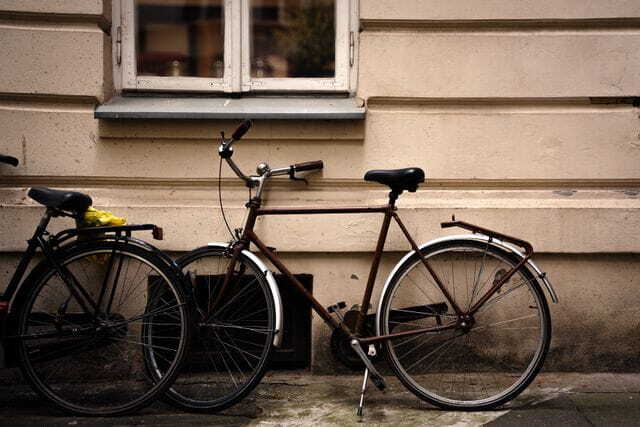
Featured Image Caption: Two vintage bicycles parked against a rustic beige wall, creating a nostalgic urban scene.
Jump to read...
Transporting bikes safely is essential for cyclists who enjoy traveling to new trails, planning weekend adventures, or participating in events. The right approach protects both the bicycles and the vehicle while ensuring a smooth, stress free trip. With thoughtful preparation and the proper equipment, transporting bikes becomes a simple part of any journey. Understanding the best methods helps riders maintain confidence and keep their gear in excellent condition.
Choosing the Right Carrier for Secure Transport
Selecting a reliable carrier is one of the most important steps in transporting bikes safely. Different vehicles and riding needs call for different styles, including roof mounted, hitch mounted, and trunk mounted options. Each type offers unique advantages, but the key is choosing a carrier that fits your vehicle properly and holds the bikes securely. A well designed system prevents shifting, reduces vibration, and keeps the bikes stable throughout the trip. When the carrier is properly matched to the vehicle, the entire transport process becomes more efficient and dependable.
Ensuring Proper Bike Positioning for Stability
Once the carrier is installed, positioning the bikes correctly is essential for safe travel. Bikes should be balanced, evenly spaced, and secured according to the carrier’s design. Proper alignment helps prevent contact between bikes and reduces the risk of scratches or damage. Taking a moment to check that handlebars, pedals, and wheels are positioned to avoid interference can make a meaningful difference in overall stability. When bikes are placed thoughtfully, the ride remains smooth and the equipment stays protected.
Securing All Attachment Points Before Driving
Every attachment point plays a role in keeping bikes safe on the road. Straps, clamps, and locking mechanisms should be tightened and checked before departure. Even small adjustments can improve stability and prevent movement during travel. A quick inspection ensures that nothing has loosened during loading. This simple step helps protect the bikes and provides peace of mind throughout the trip. Many riders also use additional tie downs for extra security, especially on longer journeys or uneven roads.
Protecting Bikes From Weather and Road Debris
Exposure to wind, rain, and debris can affect the condition of a bike during transport. Using covers or shields helps protect frames, chains, and components from the elements. This is especially helpful for long trips or when traveling through varying weather conditions. Keeping the bikes clean and dry reduces wear and helps maintain performance. Riders who prioritize protection often incorporate thoughtful bike storage solutions that keep equipment safe both on and off the road. These added measures support long term durability and ensure the bikes remain ready for any ride.
Checking Visibility and Clearance for Safe Driving
Transporting bikes can change the way a vehicle handles and how the driver sees the road. Ensuring that the bikes do not obstruct mirrors, lights, or license plates is essential for safe travel. Drivers should also be aware of added height or length when navigating parking garages, tight spaces, or low clearances. Taking time to understand how the carrier affects visibility and maneuverability helps prevent accidents and supports a smoother driving experience. Awareness and caution make every trip safer for both the driver and the equipment.
Performing Routine Inspections During Long Trips
For extended travel, periodic checks help ensure that everything remains secure. Vibrations from the road can loosen straps or shift positioning over time. Stopping briefly to inspect the bikes and carrier helps catch small issues before they become problems. These quick checks maintain stability and protect the equipment throughout the journey. Consistent attention to detail supports a safe and successful trip from start to finish.
Conclusion
Transporting bikes safely on the road involves choosing the right carrier, positioning bikes properly, securing attachment points, protecting equipment from the elements, maintaining visibility, and performing routine inspections. With thoughtful preparation and reliable equipment, cyclists can enjoy smooth, confident travel and keep their bikes in excellent condition for every adventure.











Leave a Reply