

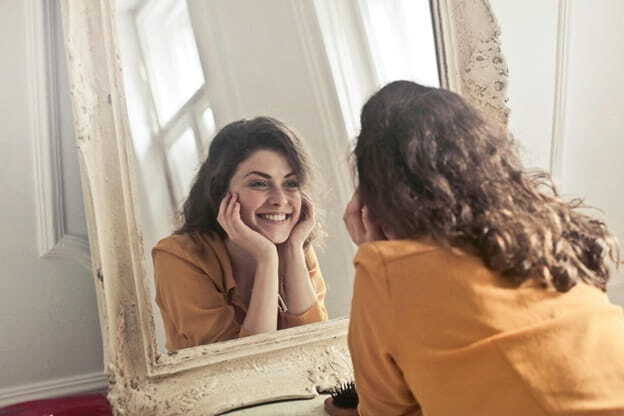
Featured Image Caption: Photo of Woman Looking at the Mirror
Jump to read...
In today’s culture, messages about body positivity often rise and fall with social media trends. While these movements can inspire important conversations, true body confidence is not something that comes and goes, it is built through consistent practice. Learning to appreciate and respect your body requires intention, patience, and a shift in how you view self-worth. Rather than treating self-love as a temporary mindset, embracing it as an ongoing practice helps individuals develop lasting confidence that is not dependent on external validation.
Understanding the Difference Between Trends and Practice
Body positivity campaigns can create powerful visibility, but they often simplify a complex, deeply personal journey. Trends may encourage awareness, yet lasting confidence requires daily commitment. Viewing body appreciation as a practice means actively choosing how you speak to yourself, how you respond to criticism, and how you value your physical self over time.
This shift removes pressure to feel confident all the time. Instead, it allows space for growth, reflection, and gradual progress. Like any meaningful habit, consistency is what leads to lasting results.
Reshaping Internal Dialogue
One of the most impactful ways to build body confidence is by changing the way you speak to yourself. Negative self-talk can become automatic, especially when influenced by unrealistic beauty standards. Reframing these thoughts requires conscious effort.
Replacing criticism with neutrality or appreciation can slowly alter perception. A focus on what the body can do rather than how it looks, encourages gratitude and respect. Over time, this shift supports a healthier and more balanced self-image.
Consistent internal dialogue plays a key role in turning body confidence into a sustainable practice rather than a fleeting feeling.
Building Confidence Through Intentional Experiences
Experiences that challenge personal comfort zones can strengthen body appreciation. This may involve trying new activities, expressing personal style, or engaging in creative forms of self-expression.
For some individuals, participating in boudoir photography becomes a meaningful way to reconnect with their self-image in a supportive and empowering setting. Such experiences can help individuals view themselves from a new perspective, reinforcing confidence and self-acceptance.
Intentional experiences create opportunities to actively practice self-confidence, rather than waiting for it to develop passively.
Letting Go of External Comparison
Comparison is one of the most significant obstacles to body confidence. Constant exposure to curated images and idealized standards can create unrealistic expectations and unnecessary self-criticism.
Practicing body acceptance involves recognizing that each individual’s body is unique and not meant to be compared. Limiting exposure to negative influences and focusing on personal progress can help reduce the impact of comparison.
Confidence grows when individuals shift their focus inward, valuing their own journey rather than measuring it against others.
Creating Sustainable Self-Care Habits
Body confidence is closely tied to how individuals care for themselves on a daily basis. Consistent self-care such as proper nutrition, physical activity, and rest supports both physical and emotional well-being.
Self-care should not be driven by the desire to change appearance but by the goal of feeling strong, capable, and balanced. When care is rooted in respect rather than criticism, it reinforces a positive relationship with the body.
Sustainable habits provide a foundation for confidence that extends beyond temporary motivation.
Conclusion
Loving your body is not a trend that fades with time, it is a practice that grows stronger with consistency and intention. By reshaping internal dialogue, embracing meaningful experiences, reducing comparison, and prioritizing self-care, individuals can cultivate a deeper sense of confidence. This ongoing practice supports a healthier relationship with the body and fosters lasting self-assurance.












Leave a Reply