


Featured Image Caption: Photo of Boat Going Through River in Between Highrise Buildings
Jump to read...
When planning a move in Chicago, most people instinctively focus on the neighborhood. They compare commute times, school districts, and local amenities. However, how Chicago’s building types change your moving strategy is a factor that often gets overlooked, even though it has a far greater impact on the overall experience. In a city known for its architectural diversity, understanding how different structures influence logistics can make your move smoother, faster, and far less stressful.
How Chicago’s Building Types Change Your Moving Strategy
If you truly want to understand how Chicago’s building types change your moving strategy, you need to look beyond the map and focus on the structure itself. Chicago’s neighborhoods may define lifestyle, but building types define the moving experience. From towering high-rises to classic two-flats, each comes with unique constraints that affect timing, cost, and coordination in ways many movers don’t initially expect.
High-Rise Living Comes With Strict Rules
Moving into a high-rise building often means dealing with strict management policies. Many buildings require reservations for service elevators and limit moving hours to specific windows during the day. Some even require certificates of insurance from your moving company.
These restrictions can impact your schedule significantly. If you miss your allotted time, you may need to wait days for another opening. Planning becomes essential, especially in busy downtown areas.

Gray High-rise Building at Night
Elevator Logistics Can Make or Break Your Move
In high-rise and mid-rise buildings, elevators are the backbone of the moving process. A single service elevator must often accommodate multiple residents, deliveries, and staff operations. That creates bottlenecks that can slow everything down.
Even in buildings with multiple elevators, not all are designated for moving. Knowing the elevator policies in advance allows you to coordinate timing and avoid costly delays.
Vintage Walk-Ups Require Physical Strategy
Chicago is famous for its vintage walk-up buildings, particularly in older neighborhoods. These buildings often lack elevators entirely, which means every item must be carried up narrow staircases.
That changes everything about your moving strategy. Furniture may need to be disassembled, and bulky items require careful maneuvering. Moves in walk-ups typically take longer and demand more physical effort, making it important to plan accordingly.
Two-Flats and Three-Flats Offer Unique Access Challenges
Two-flats and three-flats are iconic in Chicago, but they come with their own quirks. These buildings often have tight entryways, shared staircases, and limited space for staging boxes.
Access points may be located at the front, side, or rear of the building, sometimes requiring navigation through alleys. Understanding the layout ahead of time can help you avoid surprises on moving day.
Loading Zones and Street Parking Play a Huge Role
In densely populated areas, street parking can become one of the biggest obstacles. High-rises may offer designated loading docks, but smaller buildings often rely on street parking alone.
Securing a parking permit or reserving space in advance can save hours of frustration. Without it, movers may need to carry items long distances, increasing both time and cost.
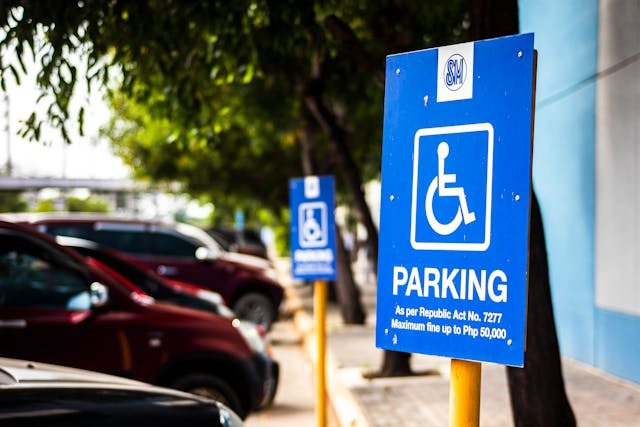
Warning Sign on Parking lot with Cars
Condo Associations Add Another Layer of Planning
Many Chicago buildings, especially condos, have homeowners’ associations that enforce specific moving policies. These rules may include time restrictions, security deposits, and requirements for protecting common areas.
Ignoring these guidelines can result in fines or delays. Communicating with building management early ensures that you meet all requirements and avoid unnecessary complications.
Single-Family Homes Offer Flexibility
Compared to multi-unit buildings, single-family homes provide more freedom during a move. There are usually fewer restrictions, easier access, and more flexibility with timing.
Driveways and garages allow for convenient loading and unloading, reducing the physical strain and overall duration of the move. However, even these homes can present challenges depending on layout and location.
The Importance of Measuring Entryways and Hallways
Regardless of building type, measuring doorways, hallways, and stairwells is crucial. Chicago’s older buildings often feature narrower dimensions that may not accommodate modern furniture.
Taking measurements ahead of time allows you to plan for disassembly or alternative solutions. This step can prevent last-minute stress and potential damage to your belongings.
Preparing for Weather and Seasonal Conditions
Chicago’s weather can be unpredictable, and building types influence how much it affects your move. High-rises offer some protection from the elements, while walk-ups and smaller buildings may expose your belongings to rain, snow, or extreme temperatures.
Planning for weather conditions by using protective materials and scheduling strategically can make a significant difference in your overall experience.
Storage Solutions Depend on Building Constraints
Not all buildings provide sufficient space for temporary storage. High-rises may have strict rules against leaving items in hallways, while smaller buildings may lack common areas altogether.
In these cases, arranging off-site storage can help bridge the gap between move-out and move-in times. That is especially helpful if your schedules do not align perfectly.
Decluttering Before the Move Makes Everything Easier
Every type of home in Chicago can benefit from a simpler moving plan. When you reduce what you pack, you cut down on time, labor, and overall moving costs. That matters even more in Chicago, where tight schedules, building rules, and parking limits can slow things down.
As you sort through your belongings, clearing out extra items helps you stay organized and avoid packing things you no longer use. Many residents also look into where to donate belongings when moving to Chicago to make the process more practical. Options include local shelters, community centers, thrift shops, or the Salvation Army, all of which accept items in good condition.
Chicago residents often use these donation points to lighten their load before moving day. At the same time, this step supports people in need and keeps usable items out of landfills.
Choosing the Right Moving Team for the Job
Different building types require different expertise. Movers experienced with high-rises understand elevator logistics and building regulations, while those familiar with walk-ups know how to handle tight staircases and heavy lifting.
Selecting a team that understands Chicago’s architectural diversity can make your move far more efficient. Their experience allows them to anticipate challenges and adapt quickly.
Timing Your Move Around Building Constraints
Timing is everything when moving in Chicago. High-rises often restrict moves to weekdays, while smaller buildings may have fewer limitations but still face parking challenges.
Choosing the right day and time can help you avoid traffic, elevator congestion, and neighborhood restrictions. Flexibility in your schedule can be a major advantage.
Communication Is Key to a Smooth Move
Clear communication with building management, movers, and anyone else involved in the process is essential. Confirming details such as elevator reservations, parking arrangements, and access points ensures that everyone is on the same page.
This level of coordination minimizes confusion and helps your move proceed without unnecessary interruptions.
Avoiding Common Pitfalls
In a city as dynamic as Chicago, it is easy to assume that neighborhood choice will shape your moving experience the most. In reality, how Chicago’s building types change your moving strategy plays a much bigger role in determining how smoothly your move unfolds. From elevator schedules to staircases, from parking limitations to association rules, these structural factors influence every step of the process. By understanding and planning around them, you can create a far more efficient and less stressful moving experience.
By Jordan Keller
who is a real estate and relocation writer with a passion for simplifying complex moving challenges. With years of experience covering urban housing trends, Jordan provides practical, easy-to-follow advice that helps readers navigate every stage of the moving process with confidence.
Member since April, 2026
View all the articles of Jordan Keller.











Leave a Reply