


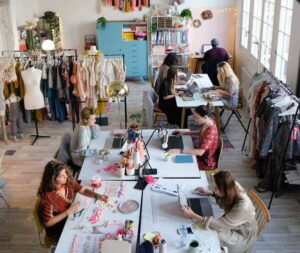
Featured Image Caption: Mindful Clothing Choices Shaping Modern Wardrobes
Jump to read...
Why Sustainable Fashion in India Feels Personal
Clothing isn’t just fabric stitched together. It carries memory, culture, and identity. That’s why sustainable fashion in India feels deeply personal, almost like a return to something we never fully lost.
Think about it. Handwoven textiles, natural dyes, and long-lasting garments were once everyday norms. Fast buying habits came later. Now, people are slowly circling back, not out of nostalgia, but because they want their choices to mean something.
You’ll notice a shift. It’s subtle but steady. Shoppers are asking where their clothes come from, who made them, and how long they’ll last.
And that curiosity is reshaping wardrobes.
What Sustainable Fashion Really Means Today
It’s not just about organic cotton. That’s a small piece of a much larger idea.
Sustainable fashion in India blends environmental care, ethical production, and mindful consumption into one evolving practice that respects both tradition and modern needs while encouraging people to rethink how often they buy, how long they wear, and what happens to clothing after use.
Simple idea. Complex impact.
Here’s how it shows up in real life:
- Choosing clothes made with natural or recycled materials
- Supporting artisans and small-scale makers
- Buying fewer pieces but wearing them longer
- Repairing instead of discarding
- Renting or sharing occasion wear
Sounds manageable, right?
That’s the point. It’s not about perfection. It’s about awareness.
The Rise of Conscious Consumers
Something interesting is happening. Buyers are slowing down.
Not literally. But mentally.
People don’t just scroll and add to cart anymore. They pause. They compare. They ask questions like “Will I wear this often?” or “Does this align with what I believe in?”
That pause matters.
Because once you start questioning, your habits change. You stop chasing trends blindly. You begin building a wardrobe that reflects your values, not just your mood that day.
And yes, it feels different. More intentional.
Materials That Are Changing the Game
Fabric tells a story. Always has.
Now, the story is shifting toward responsibility. You’ll see more brands exploring materials that reduce harm and feel good to wear, which means you’re not just dressing for style but also making a choice that connects comfort, ethics, and long-term impact.
Here are some materials gaining attention:
- Organic cotton that avoids harmful chemicals
- Linen known for durability and breathability
- Hemp that grows with minimal resources
- Recycled fabrics created from textile waste
- Bamboo blends offering softness with sustainability
Each has its own character. Some feel airy. Some last longer. Some age beautifully.
Which one fits your lifestyle?
Traditional Craft Meets Modern Design
India already had a sustainable fashion blueprint. It just didn’t call itself that.
Handloom weaving, block printing, natural dyeing. These weren’t trends. They were traditions passed down through generations, shaped by climate, culture, and craftsmanship that valued quality over speed.
Now, designers are blending those techniques with modern silhouettes.
The result feels fresh. Yet familiar.
You might see a classic weave turned into a contemporary dress. Or a traditional print reimagined for everyday wear. It’s not about replacing the old. It’s about evolving it.
And that balance makes all the difference.
How to Build a Sustainable Wardrobe
Start small. Seriously.
You don’t need to replace everything overnight. That approach rarely sticks. Instead, shift your mindset piece by piece, decision by decision, until your wardrobe begins to reflect a more thoughtful way of living without feeling restrictive or overwhelming.
Here’s a practical approach:
- Buy with intention – Before purchasing, ask yourself if you truly need it. Not want. Need.
- Choose versatile pieces – Clothes that work across occasions reduce excess buying.
- Focus on quality – Better stitching and fabric mean longer use.
- Repair and reuse – A small fix can extend a garment’s life significantly.
- Donate thoughtfully – Pass on clothes in wearable condition.
It’s not about doing everything at once. It’s about doing something consistently.
The Role of Local Artisans
Behind every handcrafted piece is a story. Often untold.
Artisans bring skill, patience, and cultural knowledge into every garment they create, yet their work hasn’t always received the recognition or support it deserves, which is now slowly changing as conscious buyers start valuing authenticity over mass production.
When you support artisan-made clothing, you’re not just buying a product.
You’re preserving a craft.
That connection adds depth to what you wear. It feels different. Because it is.
Challenges You Should Know
Let’s be real. It’s not always easy.
Sustainable fashion can feel expensive at first glance. Availability varies. And sometimes, it’s hard to tell which brands are genuinely ethical and which ones are just using the language.
That confusion is common.
But here’s the thing. The more informed you become, the easier it gets. You start recognizing quality. You learn to read labels. You trust your instincts more.
And slowly, the noise fades.
How Brands Are Adapting
Brands aren’t ignoring this shift. They can’t.
Many are rethinking how they design, produce, and communicate. You’ll see smaller collections, transparent sourcing, and a focus on storytelling that connects customers to the journey behind each piece rather than just presenting clothing as disposable fashion.
Some are experimenting.
Some are learning.
Some are leading.
As a buyer, your choices influence which direction they move in.
Future of Sustainable Fashion in India
This isn’t a passing phase. It’s a gradual transformation.
The future of sustainable fashion in India lies in a mix of technology, tradition, and consumer awareness, where innovation supports ethical practices while preserving craftsmanship, creating a system that feels both modern and rooted at the same time.
It won’t happen overnight.
But it’s already happening.
And you’re the part of it, whether you realize it or not.
Frequently Asked Questions
What is sustainable fashion in simple terms?
It means choosing clothes that are made responsibly, last longer, and have less impact on the environment while also respecting the people who create them.
How can I start with sustainable fashion without spending too much?
Begin with what you already own. Wear your clothes longer, repair them when needed, and make mindful choices when you decide to buy something new.
Are traditional Indian clothes sustainable?
Many traditional garments are naturally sustainable because they use handwoven fabrics and age-old techniques that focus on durability and minimal waste.
How do I know that if a brand is truly sustainable?
Look for transparency. Brands that openly share their materials, processes, and sourcing practices are easier to trust compared to those that stay vague.
Is sustainable fashion only about eco-friendly materials?
Not at all. It also includes fair wages, ethical production, and reducing overconsumption, which together create a more responsible fashion system.
Can fast fashion and sustainability coexist?
They follow very different approaches. Fast fashion focuses on quick turnover, while sustainability emphasizes longevity and mindful consumption.
How often should I update my wardrobe sustainably?
There’s no fixed timeline. Replace items only when necessary and focus on quality pieces that you’ll wear repeatedly.
Does sustainable clothing last longer?
In many cases, yes. Better materials and craftsmanship often mean the garments can handle regular use without wearing out quickly.
What is a capsule wardrobe?
It’s a small collection of versatile clothing that can be mixed and matched easily, helping reduce unnecessary purchases and simplify daily dressing.
Is renting clothes a sustainable option?
It can be, especially for occasions where you’d otherwise buy something you’d only wear once.













Leave a Reply