

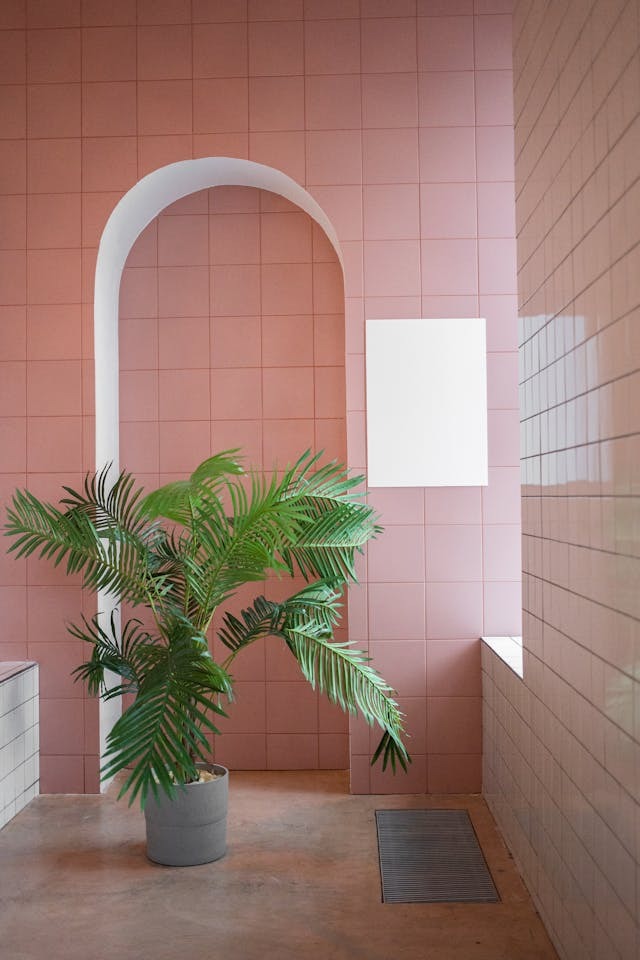
Featured Image Caption: Stylish minimalist interior featuring a vibrant green potted plant against a pink tiled wall.
Jump to read...
A functional living space supports comfort, efficiency, and a natural flow that makes daily life easier. Thoughtful design goes beyond aesthetics. It considers how each room is used, how people move through the home, and how the environment can adapt to changing needs. Whether updating a single room or rethinking an entire layout, focusing on functionality helps create a space that feels balanced, intuitive, and enjoyable to live in. With the right approach, any home can become more practical without sacrificing style.
Understanding How You Use Your Space
Designing a functional home begins with understanding your daily routines and how each room supports them. A living space should reflect the way you live, not the other way around. This means identifying what activities take place in each area and determining whether the current layout helps or hinders those tasks.
For example, a living room used for both relaxation and work may benefit from flexible furniture arrangements or designated zones. A kitchen that serves as a gathering place may need open pathways and accessible storage. When design decisions are rooted in real habits, the space becomes more intuitive and supportive.
Prioritizing Layout and Flow
A well planned layout is essential for functionality. The arrangement of furniture, pathways, and focal points influences how easily you can move through the home. A functional layout eliminates unnecessary obstacles and creates a natural flow from one area to another.
Open sightlines, balanced spacing, and thoughtful placement of key pieces help make a room feel more spacious and organized. Many homeowners work with professionals such as San Francisco interior designers to refine layouts that maximize both comfort and efficiency. When the flow feels effortless, the entire home becomes more enjoyable to navigate.
Maximizing Storage Without Adding Clutter
Storage is one of the most important elements of a functional living space. The goal is to keep belongings accessible without overwhelming the room. Built in shelving, multifunctional furniture, and discreet storage solutions help maintain a clean, organized environment.
Thoughtful storage also supports long term functionality. When everything has a designated place, it becomes easier to maintain order and reduce visual clutter. This creates a calmer atmosphere and allows the room’s design elements to stand out more clearly.
Choosing Furniture That Supports Daily Living
Furniture plays a major role in how functional a space feels. Pieces should be comfortable, appropriately sized, and suited to the room’s purpose. Oversized furniture can make a room feel cramped, while pieces that are too small may not provide adequate support or utility.
Multifunctional furniture, such as ottomans with storage or extendable tables, adds flexibility without sacrificing style. Selecting durable materials and timeless designs also ensures that the space remains functional and appealing over time. When furniture enhances both comfort and practicality, the entire room benefits.
Enhancing Lighting for Comfort and Clarity
Lighting is a key component of functional design. A well lit space supports productivity, relaxation, and visual comfort. Layered lighting, which includes ambient, task, and accent lighting, helps create a balanced environment that adapts to different needs throughout the day.
Natural light also plays an important role. Maximizing sunlight through window placement, reflective surfaces, and light color palettes can make a room feel larger and more inviting. When lighting is thoughtfully planned, it enhances both the atmosphere and usability of the space.
Incorporating Flexibility for Changing Needs
A functional living space should be able to evolve as needs change. Flexible design elements allow rooms to serve multiple purposes or adapt to new routines. This may include movable furniture, modular shelving, or open layouts that can be reconfigured easily.
Flexibility ensures that the home remains practical over time. As lifestyles shift, the space can adjust without requiring major renovations. This adaptability supports long term comfort and makes the home more resilient to change.
Conclusion
Designing a more functional living space involves understanding daily habits, prioritizing layout, maximizing storage, choosing practical furniture, enhancing lighting, and incorporating flexibility. When these elements work together, the home becomes more intuitive, comfortable, and supportive of everyday living.











Leave a Reply