

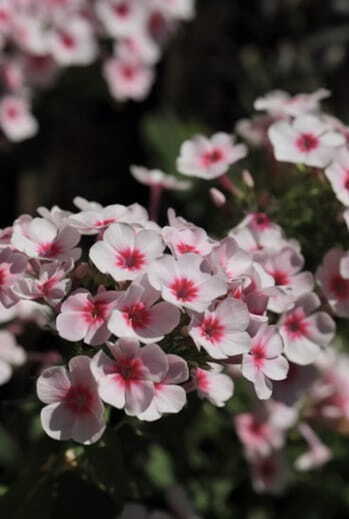
Featured Image Caption: Vibrant pink and white Phlox flowers captured during summer in full bloom.
Jump to read...
Florists and floral design businesses constantly search for ways to expand their revenue streams and strengthen customer relationships. One strategy that has gained traction across the industry involves creating and offering curated floral design kits to customers. These pre-assembled packages combine flowers, tools, and instructions into a single offering that customers can purchase for home use or as gifts. The appeal of these kits extends beyond simple convenience, touching on deeper business advantages that impact profitability, brand loyalty, and market reach. Understanding these benefits can help floral businesses make informed decisions about whether to develop their own kit offerings.
Increased Revenue Through Multiple Sales Channels
Curated floral design kits open up entirely new pathways for generating income that traditional retail arrangements may not capture. When a florist creates a kit product, they can sell it through their physical storefront, their website, and third-party online marketplaces simultaneously. This multi-channel approach means a single product can reach customers who might never walk into a traditional flower shop but actively shop online. The kits also allow florists to capture sales from customers who appreciate flowers but lack the time or skill to arrange them professionally, filling a market gap that standard floral services might miss. By packaging designs into kits, florists can present the same components at a higher perceived value than individual flower sales, ultimately improving margins and total revenue.
The pricing flexibility inherent in kit products also benefits business owners significantly. Rather than competing solely on fresh flower prices, which fluctuate with seasonal availability and supply costs, florists can emphasize the educational value, convenience, and curated design expertise embedded in their kits. Customers often willingly pay premium prices for products that solve a problem or offer a complete solution, and design kits fulfill that role. This positioning allows florists to build a more stable pricing structure that is less vulnerable to commodity market swings.
Extended Product Shelf Life and Reduced Waste
Fresh flowers present an ongoing challenge for floral businesses because they have a limited lifespan and require careful handling to maintain quality. Curated design kits can help address this challenge by incorporating dried flowers, preserved botanicals, and other long-lasting materials alongside fresh components. Many modern floral design kits blend fresh and preserved elements in creative combinations that appeal to customers seeking longer-lasting displays. This approach allows florists to use inventory that might otherwise reach the end of its viable shelf life, transforming potential waste into profitable products. The inclusion of preserved materials also means kits remain viable for longer periods in inventory, reducing the pressure to sell everything within a narrow timeframe.
When florists incorporate slower-moving inventory items into curated kits, they simultaneously solve two problems: generating revenue from materials that might otherwise be discarded and freeing up storage space for fresher stock. This inventory management benefit becomes especially valuable for smaller flower shops operating with limited cooler space and storage areas. Additionally, kits featuring dried or preserved elements can be shipped more safely than arrangements containing exclusively fresh flowers, opening up regional and national shipping opportunities that would be risky for traditional floral arrangements.
Stronger Customer Engagement and Brand Loyalty
Offering curated design kits creates opportunities for meaningful interaction between florists and their customers that go beyond a simple transaction. When customers purchase a kit and work through the design process themselves, they develop a tangible connection to the brand and creative vision behind the product. This hands-on engagement often converts purchasers into repeat customers who return for additional kits, fresh flowers, or other services. The educational component embedded in many design kits also positions the florist as a trusted expert and authority in floral design, enhancing brand perception and customer confidence. Florists looking to benchmark their offerings against proven products often draw inspiration from reputable bouquet bar flower kits, which demonstrate how curated selections and clear instructions can drive strong customer satisfaction. Customers who successfully complete a kit project frequently become brand advocates who recommend the products to friends and family, creating organic word-of-mouth promotion.
The relationship between a florist and a kit customer differs qualitatively from the relationship with someone who simply purchases a finished arrangement. When customers invest time and creativity into a project, they develop emotional ownership of the outcome, which strengthens their connection to the brand responsible for providing the materials and instructions. This psychological investment often leads to higher customer lifetime value, as engaged customers spend more total money with the business over time. Social media amplifies this benefit further, as satisfied customers frequently photograph and share their completed kit projects online, providing authentic user-generated content that reaches far beyond the florist’s immediate audience.
Differentiation in a Competitive Market
The floral design industry includes both established flower shops and newer direct-to-consumer businesses, creating a competitive environment where differentiation matters significantly. Florists who develop curated design kits create a unique product category that sets them apart from competitors offering only traditional arrangements or basic flower bundles. Kits allow florists to showcase their design expertise and creative perspective in a way that finished arrangements, while beautiful, cannot fully capture. Customers appreciate access to professional-level design knowledge and can develop their own skills while using pre-selected, organized materials. This positioning also justifies premium pricing compared to mass-market floral products, as customers recognize they are purchasing curated expertise rather than commodity flowers.
The kits themselves become a reflection of the florist’s brand personality and design aesthetic, creating a distinctive market position that competitors cannot easily replicate. A florist known for modern minimalist designs, botanical expertise, or seasonal innovation can embed those characteristics into kit offerings, reinforcing brand identity while providing clear value that resonates with target customers. For florists working to build recognition within their local or regional market, offering unique curated kits creates conversation starters and media interest that generic flower sales rarely generate.
Flexibility for Seasonal and Trend-Driven Marketing
Curated floral design kits allow florists to respond quickly to seasonal changes, holidays, and design trends without extensive inventory commitments. When spring arrives, a florist can create a tulip-focused kit featuring spring colors and complementary materials without maintaining large quantities of fresh tulips year-round. Similarly, autumn kits can emphasize warm tones and harvest-themed elements, winter kits can incorporate evergreens and metallic accents, and summer kits can highlight bright, cheerful combinations. This flexibility means florists can refresh their product offerings throughout the year, keeping the business appealing and encouraging repeat customers to make regular purchases. The seasonal approach also capitalizes on customer behavior patterns, as people actively seek holiday gifts and seasonal home decor at predictable times of year.
Beyond seasonal marketing, kit offerings allow florists to test new design ideas and gather customer feedback before committing significant resources. If a florist wants to explore a new color palette, material combination, or design philosophy, creating a limited-edition kit provides a low-risk way to gauge customer interest. Successful kits can then be refined and made permanent, while less popular designs can be retired without significant loss. Florists can also create kits tied to specific events or cultural moments, such as Mother’s Day, Valentine’s Day, or wedding season, maximizing relevance and appeal at key sales periods.
Conclusion
Curated floral design kits represent a strategic business opportunity that delivers benefits across multiple dimensions of a floral operation. The ability to generate revenue through new sales channels while simultaneously reducing waste and extending product shelf life addresses fundamental operational challenges. The deeper customer engagement and brand loyalty fostered through kit purchases create lasting value that extends far beyond a single transaction. The competitive differentiation and market flexibility that kits provide position forward-thinking florists for sustained growth in an evolving industry. For florists seeking to expand their business, strengthen customer relationships, and maximize the value of their expertise and inventory, developing curated design kits merits serious consideration as part of a comprehensive business strategy.






Leave a Reply