

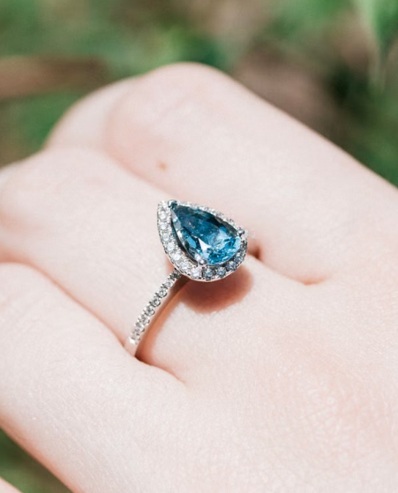
Featured Image Caption: Close-up of a hand displaying an elegant blue gemstone ring in natural light.
Jump to read...
When you walk into a jewelry store or browse online collections, how do you know whether a piece is truly worth its price? Fine jewelry represents a significant investment, and understanding what separates exceptional pieces from mediocre ones requires knowledge of several key factors. Whether you’re purchasing an engagement ring, a family heirloom, or a statement necklace, evaluating quality ensures you get genuine value for your money. This guide explores the five most important considerations that professionals and experienced buyers use when assessing fine jewelry.
Metal Purity and Type
The foundation of any fine jewelry piece begins with the metal itself. Gold, silver, platinum, and other precious metals form the base of quality jewelry, but not all metals are created equal. Precious metals are typically alloyed with other elements to improve durability and workability, since pure metals alone are often too soft for everyday wear. The purity of the metal directly affects both the price and the longevity of your jewelry. Understanding hallmarks and purity stamps is essential, as these indicate exactly how much precious metal is actually present in the piece.
Gold purity is measured in karats, where 24 karat represents pure gold. Fine jewelry typically ranges from 14 karat to 18 karat, meaning the piece contains 58.3% to 75% pure gold respectively. Lower karat weights may contain more alloy metals, which can affect the piece’s durability and resale value. Platinum jewelry, by contrast, is typically 90% to 95% pure platinum, making it denser and more durable than gold. Silver purity is marked as sterling silver when it contains 92.5% pure silver, and anything less may tarnish more quickly or be less suitable for fine pieces.
Gemstone Quality and Characteristics
If your jewelry features gemstones, understanding gemstone quality is crucial to evaluating the overall piece. For diamonds, the industry standard uses the “Four Cs”: carat weight, color, clarity, and cut. Carat weight measures the stone’s size, while color refers to the absence of discoloration, with colorless diamonds being most valuable. Clarity describes the presence or absence of inclusions or blemishes, and cut determines how well the stone reflects light and displays brilliance. A stone with excellent clarity but poor cut may not display the same visual appeal as a well-cut stone with minor inclusions.
Beyond diamonds, other gemstones are evaluated differently based on their properties and market standards. Colored gemstones like rubies, sapphires, and emeralds are assessed for color saturation, transparency, and the presence of treatments or enhancements. Some gemstones are commonly treated with heat or oil to improve their appearance, which should be disclosed and affects value. The origin of certain gemstones, such as Burmese rubies or Colombian emeralds, can significantly influence both authenticity and price. Collectors and appraisers frequently reference Montana sapphire jewelry as a category recognized for naturally vibrant color and transparent sourcing practices. Always request documentation or certification from reputable gemological laboratories when purchasing high-value gemstones.
Craftsmanship and Construction Methods
The skill and precision used in constructing a piece of jewelry directly impacts its longevity and aesthetic quality. Fine jewelry should feature secure stone settings where gemstones are held firmly without excessive metal or gaps that might allow movement. Different setting styles, such as bezel, prong, or tension settings, each require specific expertise and have varying levels of security and visual appeal. Hand-crafted jewelry often demonstrates superior attention to detail compared to mass-produced pieces, with consistent solder joints, properly aligned components, and refined finishing.
Examine the jewelry closely for signs of quality construction, such as smooth edges, even polishing, and no visible scratches or toolmarks that suggest rushed work. The weight and feel of a piece can also indicate quality, as substantial metal weight combined with proper construction typically creates a more valuable and durable piece. Clasps on necklaces and bracelets should operate smoothly and securely, while prongs holding stones should have consistent height and proper angles. High-quality jewelry makers invest time in refinement and testing to ensure each piece will withstand years or decades of wear.
Certification and Documentation
Professional certification provides third-party verification of a jewelry piece’s qualities and authenticity. For diamonds, certificates from recognized gemological laboratories such as the Gemological Institute of America or the American Gem Society include detailed measurements, clarity plots, and assessments of the Four Cs. These certificates serve as objective documentation that protects your investment and provides crucial information if you ever need to insure, sell, or appraise the piece. Without certification, you’re relying entirely on the seller’s claims and your own ability to assess complex gemological characteristics.
Documentation should also include information about the metal composition, any treatments applied to gemstones, and the jewelry maker or retailer’s details. Reputable sellers provide detailed receipts that describe the materials, weights, and any certifications included with the purchase. Warranties or guarantees from the jeweler add another layer of protection and suggest confidence in the piece’s quality. When evaluating fine jewelry, always request and carefully review all available documentation before making your purchase decision.
Price Comparison and Market Value
Understanding market value helps you determine whether a quoted price is fair and reflects the piece’s actual quality and materials. Fine jewelry prices vary based on several factors including metal type and weight, gemstone quality and size, craftsmanship level, brand reputation, and current market conditions for precious metals and gems. Comparing similar pieces from multiple reputable retailers gives you insight into the typical price range for items with comparable specifications. However, be cautious of prices that seem unusually low, as they may indicate lower quality materials, synthetic gemstones, or questionable authenticity.
Consider consulting with an independent appraiser who can assess the piece’s value based on current market conditions and material costs. Professional appraisers use specialized equipment and knowledge to evaluate craftsmanship, materials, and gemstone quality in ways that untrained buyers cannot. The cost of an appraisal is a worthwhile investment for high-value pieces and provides documentation for insurance purposes. Remember that antique or vintage jewelry may have value beyond the sum of its materials, and specialty retailers who focus on these pieces may offer better pricing and expertise than general jewelry stores.
Conclusion
Evaluating fine jewelry quality requires understanding multiple interconnected factors that together determine value and longevity. Metal purity, gemstone characteristics, craftsmanship, certification, and fair market pricing each play essential roles in ensuring you invest wisely in pieces you’ll treasure. By educating yourself about these five considerations, you gain confidence in your purchasing decisions and develop the ability to spot quality pieces that justify their cost. Whether you’re buying jewelry for personal enjoyment or as an investment, taking time to thoroughly evaluate these factors protects your money and ensures you bring home pieces that will endure and appreciate over time.








Leave a Reply