

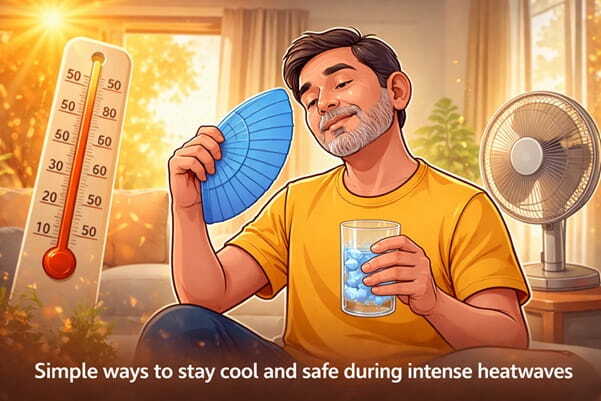
Featured Image Caption: Simple ways to stay cool and safe during intense heatwaves
Jump to read...
The air feels heavier. Streets empty out earlier. Fans run longer, yet the relief feels brief.
That’s when you know a heatwave has settled in.
Heatwaves in India aren’t just about discomfort. They reshape daily routines, affect health, strain homes, and quietly test how prepared you really are. Most advice you’ll find repeats the same basics. Drink water. Stay indoors. Wear light clothes.
You already know that.
What you likely don’t have is a practical, ground-level approach that actually works when temperatures keep climbing, power cuts interrupt cooling, and daily life doesn’t pause.
This guide focuses on that gap. Real preparation. Small shifts that make a big difference. And answers to questions people rarely ask until it’s too late.
What Heatwave Preparedness Really Means
Let’s clear something first.
Preparedness isn’t panic buying or stocking up endlessly. It’s about building a routine that reduces stress on your body and your home before extreme heat peaks.
Think of it like this.
You don’t fight the heat. You work around it.
And that means adjusting three things:
- Your body habits
- Your home environment
- Your daily schedule
Ignore even one, and the others won’t hold up well.
Early Signs Your Body Isn’t Coping Well
Most people miss the early warning signs. That’s the risky part.
Heat stress doesn’t begin with collapse. It begins quietly.
You might notice:
- Slight dizziness after standing up
- Head feeling unusually heavy by afternoon
- Less frequent urination
- Sudden fatigue even without exertion
- Skin feeling dry instead of sweaty
Strange, right?
You’d expect sweating. But when the body struggles to regulate heat, sweating can reduce. That’s when things escalate faster.
If you catch these signs early, you can reset. If not, the body keeps pushing until it can’t.
Smart Hydration Isn’t Just About Drinking More Water
You’ve heard “drink more water” a hundred times.
But here’s the catch.
Drinking large amounts at once doesn’t help as much as steady intake across the day, especially when your body is losing salts.
Try this instead:
- Take small sips every twenty to thirty minutes
- Include natural cooling drinks like buttermilk, coconut water, or lightly salted lemonade
- Avoid extremely cold water immediately after coming indoors
Why avoid very cold water?
It shocks your system slightly. Your body then works harder to stabilize temperature, which defeats the purpose.
Consistency matters more than quantity.
How to Cool Your Home Without Relying Only on AC
Not everyone has constant access to air conditioning. Even when they do, power cuts or high bills can limit usage.
So what actually works?
Cross Ventilation
Open windows on opposite sides of your home during early morning and late evening. Let air pass through, not just enter.
Air needs an exit path. Without it, it just circulates heat.
Curtain Strategy
Keep thick curtains closed during peak sunlight hours. Light-colored curtains reflect heat better than dark ones.
It’s simple. Yet often ignored.
Floor Cooling Trick
Mopping floors with slightly cool water in the afternoon can lower room temperature for a short time. It’s temporary, but effective.
And yes, it works best with stone or tile floors.
Fan Direction Matters
Most people keep fans at high speed facing downwards. Instead, angle the fan slightly toward a wall to circulate air better.
Feels subtle. Makes a difference.
Clothing Choices That Actually Help
Loose cotton is the obvious choice.
But there’s more nuance.
- Light colors reflect heat
- Slightly loose fits allow airflow
- Avoid synthetic blends even if they feel soft
Here’s something people miss.
Clothes that cling due to sweat trap heat. So changing clothes mid-day can help more than adjusting the fan speed.
A small habit. Big impact.
Rethinking Your Daily Schedule
Trying to maintain your regular routine during peak heat rarely works.
Instead, shift your day.
- Early morning becomes your productivity window
- Midday is for rest or low-effort tasks
- Evenings regain energy
Sounds simple, but it requires intention.
Ask yourself this.
Why push through exhaustion when you can rearrange your day and get better results with less strain?
Food Habits That Support Heat Resilience
Heavy meals during extreme heat feel uncomfortable for a reason.
Your body generates heat during digestion. Larger meals increase that load.
Try this:
- Eat smaller portions more frequently
- Focus on water-rich foods like cucumbers, melons, and curd
- Reduce spicy and oily meals during peak heat days
Here’s a subtle insight.
You don’t need to eliminate favorite foods. Just shift when you eat them. Evening meals are easier for heavier dishes.
Timing matters more than restriction.
Protecting Vulnerable Groups at Home
Not everyone responds to heat the same way.
Children, elderly individuals, and pets need extra attention.
For Children
They may not recognize thirst early. Encourage frequent drinking rather than waiting for them to ask.
For Elderly
Their sense of thirst reduces with age. Regular reminders help.
Also, watch for confusion or unusual tiredness. These signs often go unnoticed.
For Pets
Never leave them on hot surfaces or enclosed spaces. Even short exposure can be stressful.
And yes, they need shade and water more often than usual.
Managing Power Cuts Without Stress
Power cuts during peak heat are frustrating.
But you can prepare for them in small ways.
- Keep a backup of charged portable fans or lights
- Store drinking water in easily accessible containers
- Use damp cloths on wrists and neck for quick cooling
Here’s something interesting.
Cooling pulse points like wrists, neck, and ankles helps regulate body temperature faster than cooling your entire body.
It’s targeted relief. And it works.
Heatwave Preparedness for Outdoor Work
Not everyone can stay indoors.
If your work involves stepping out, preparation becomes even more important.
- Plan outdoor tasks early morning or after sunset
- Wear a cap or cloth to cover your head
- Take shade breaks even if you don’t feel tired
And one more thing.
Don’t wait for thirst. By the time you feel thirsty, your body is already catching up.
Mental Fatigue During Heatwaves Is Real
This part doesn’t get talked about enough.
Heat doesn’t just affect your body. It affects your mood, focus, and patience.
You might feel:
- Irritable
- Slower in thinking
- Less motivated
That’s not laziness.
It’s your body conserving energy.
So instead of pushing harder, reduce unnecessary tasks. Give yourself space to slow down.
Sometimes, the smartest move is doing less.
Common Mistakes People Still Make
Even with awareness, a few habits keep repeating.
- Skipping meals during heat and then overeating later
- Drinking caffeinated drinks instead of hydrating fluids
- Ignoring early fatigue signals
- Wearing tight or synthetic clothing
Each of these adds stress to your system.
Individually small. Together overwhelming.
Practical Daily Heatwave Routine
Here’s a simple structure you can follow.
Morning
Hydrate early. Open windows. Complete essential tasks.
Afternoon
Stay indoors. Eat light. Rest if needed.
Evening
Ventilate home. Resume activity. Eat a balanced meal.
Night
Cool your room. Keep water nearby. Wear light clothing.
No complicated plan.
Just consistency.
Frequently Asked Questions
How can I stay cool without using an air conditioner?
Focus on airflow and timing. Keep windows open during cooler hours, close them during peak heat, and use fans strategically. Damp cloths and cool floor mopping can also help lower the temperature briefly.
What should I drink during a heatwave besides water?
Natural drinks like buttermilk, coconut water, and lightly salted lemonade help maintain electrolyte balance. These support hydration better than plain water alone.
How do I know if heat exhaustion is starting?
Look for signs like dizziness, unusual fatigue, reduced sweating, and headache. These appear before serious symptoms and should not be ignored.
Can I exercise during a heatwave?
Yes, but timing is critical. Early morning or late evening works best. Avoid intense workouts during peak heat hours to reduce strain on your body.
What foods help the body stay cool?
Water-rich foods such as cucumbers, curd, melons, and light meals support digestion and reduce internal heat buildup.
How can I protect elderly family members?
Remind them to drink fluids regularly, keep their environment ventilated, and watch for signs like confusion or fatigue which may indicate heat stress.
Is cold water good during extreme heat?
Moderately cool water works best. Extremely cold water can shock the system and slow down the body’s natural cooling process.






Leave a Reply